PROJECT
AURORA
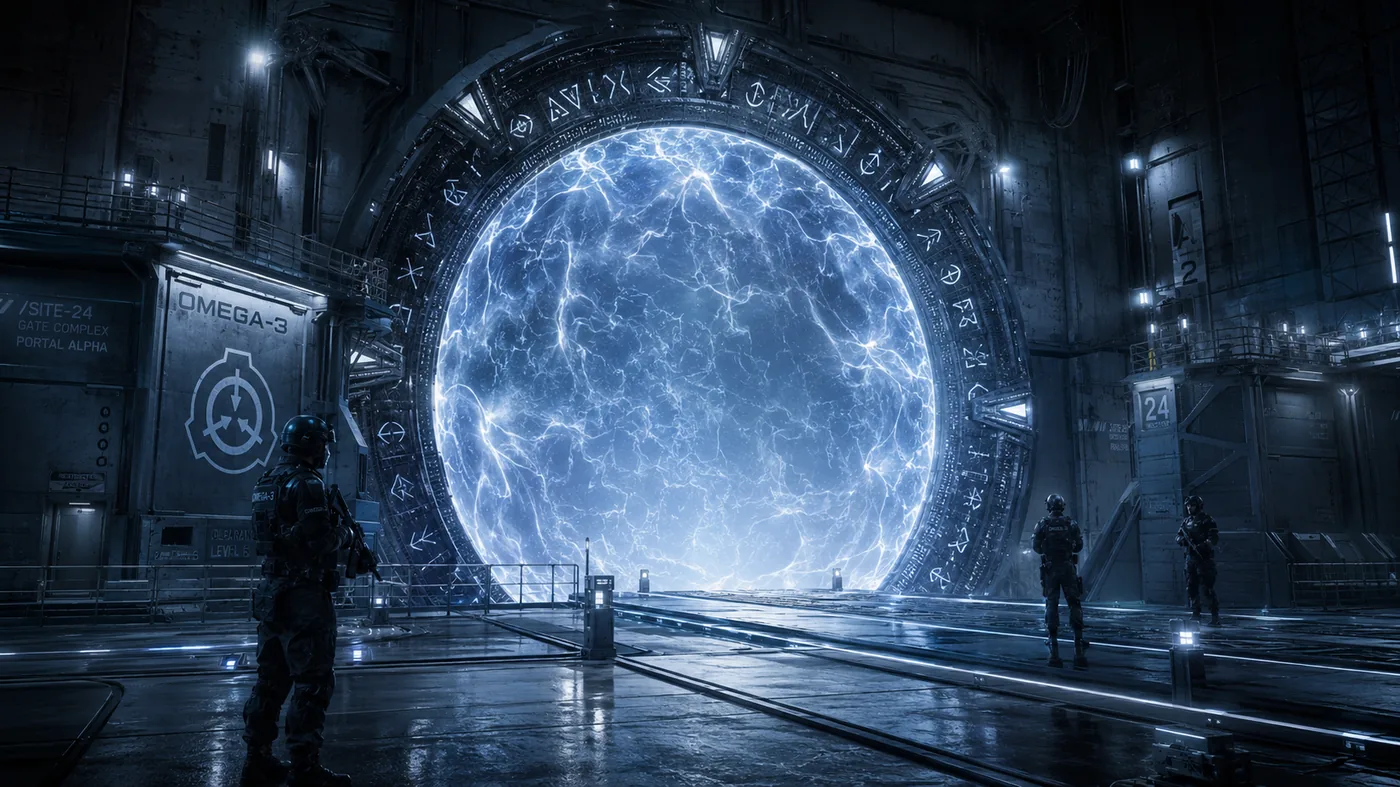
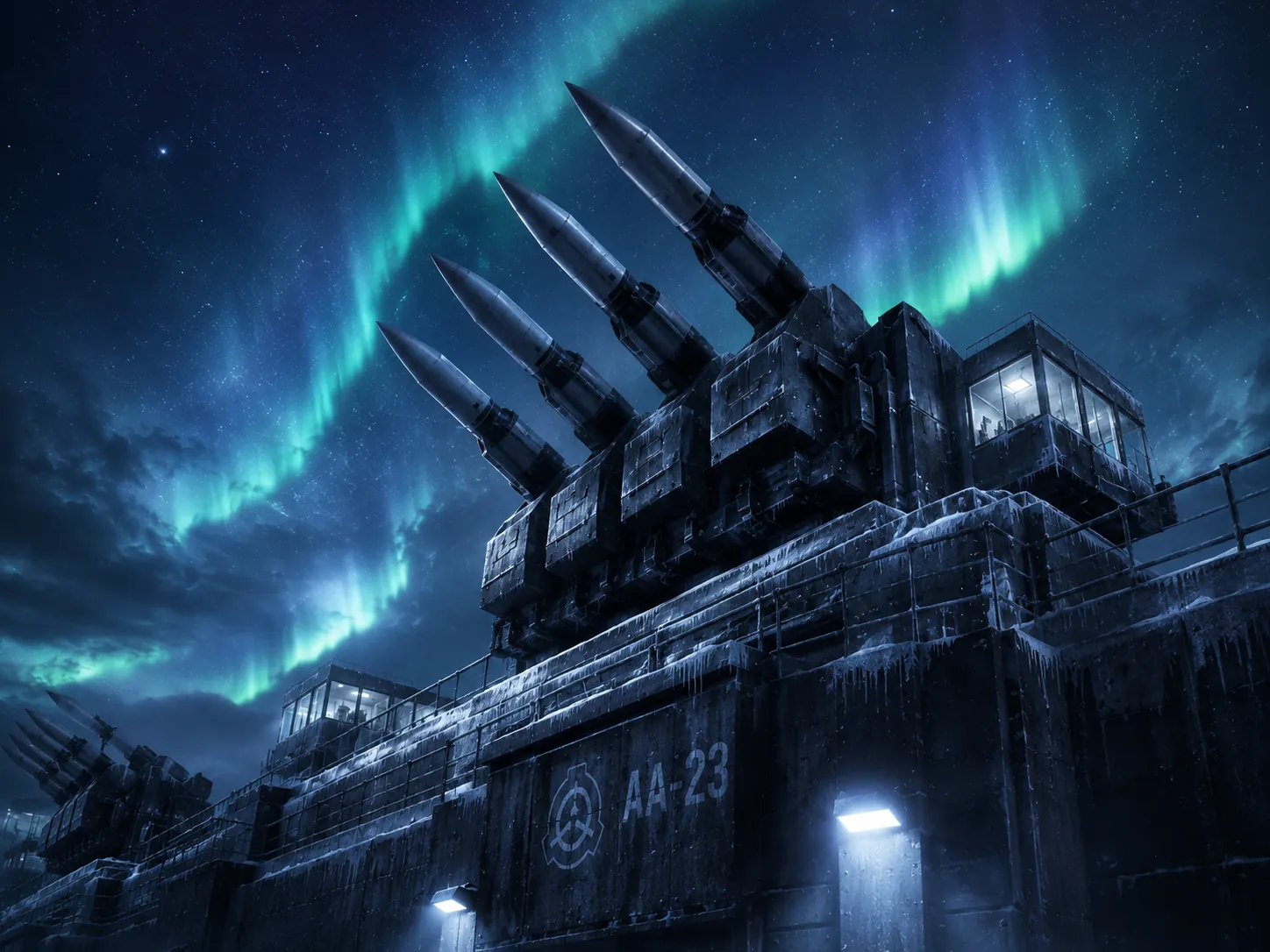
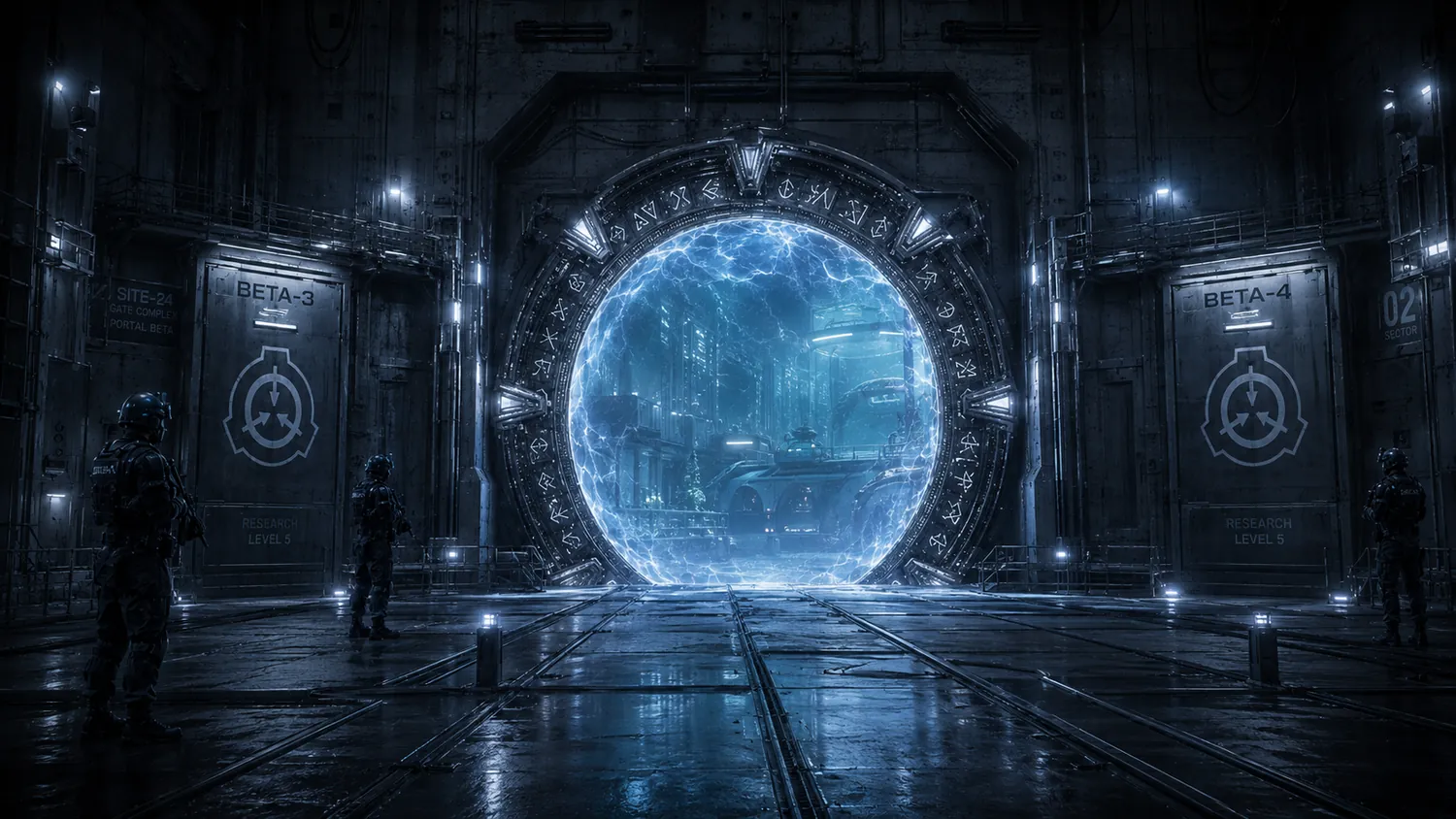
An 18+ sci-fi roleplay world I built and directed from day one — taken from a cold launch to a living community.
I've been on Project Aurora since day one. I started as Community Manager, Canon Director and consultant at once: I ran the community and the Discord's technical setup, wrote the entire lore and managed the community. I was then promoted to Executive Director on the Aurora Board, where I led the whole staff team and delegated the work, and owned the technical setup, community operations and the canon.
Every community faces the same wall twice: the cold launch, where an empty server has to become a place worth returning to — and the slow death, where the launch buzz fades and activity quietly bleeds out.
Aurora is the proof I can win the first one. The systems below are how I hold the second.
Cold launch. Empty room.
A new server had to become a place worth returning to with no established rhythm to inherit.
Build the full operating layer.
Onboarding, governance, staff structure, events, canon operations, moderation/security and a visual identity designed as one system.
9 → 2,508 msgs/day.
Launch activity reached 2,508 messages on day fourteen, backed by systems intended to convert launch energy into retention.
“Joey built the backbone of both my communities. On Aurora he took an empty server to thousands of messages a day and designed the onboarding, rules and events that kept it running. On Crimson he built and trained a staff team that ran itself after he moved on. He's who I'd trust with community structure.”
 MikeyOwner & Founder · Crimson Network / Project Aurora
A cold launch I ran and drove from 9 messages on day one to 2,508 on day fourteen — the launch-and-engagement problem most communities fail. Sustaining it long-term is the job of the systems below.
SCPIP database & operations
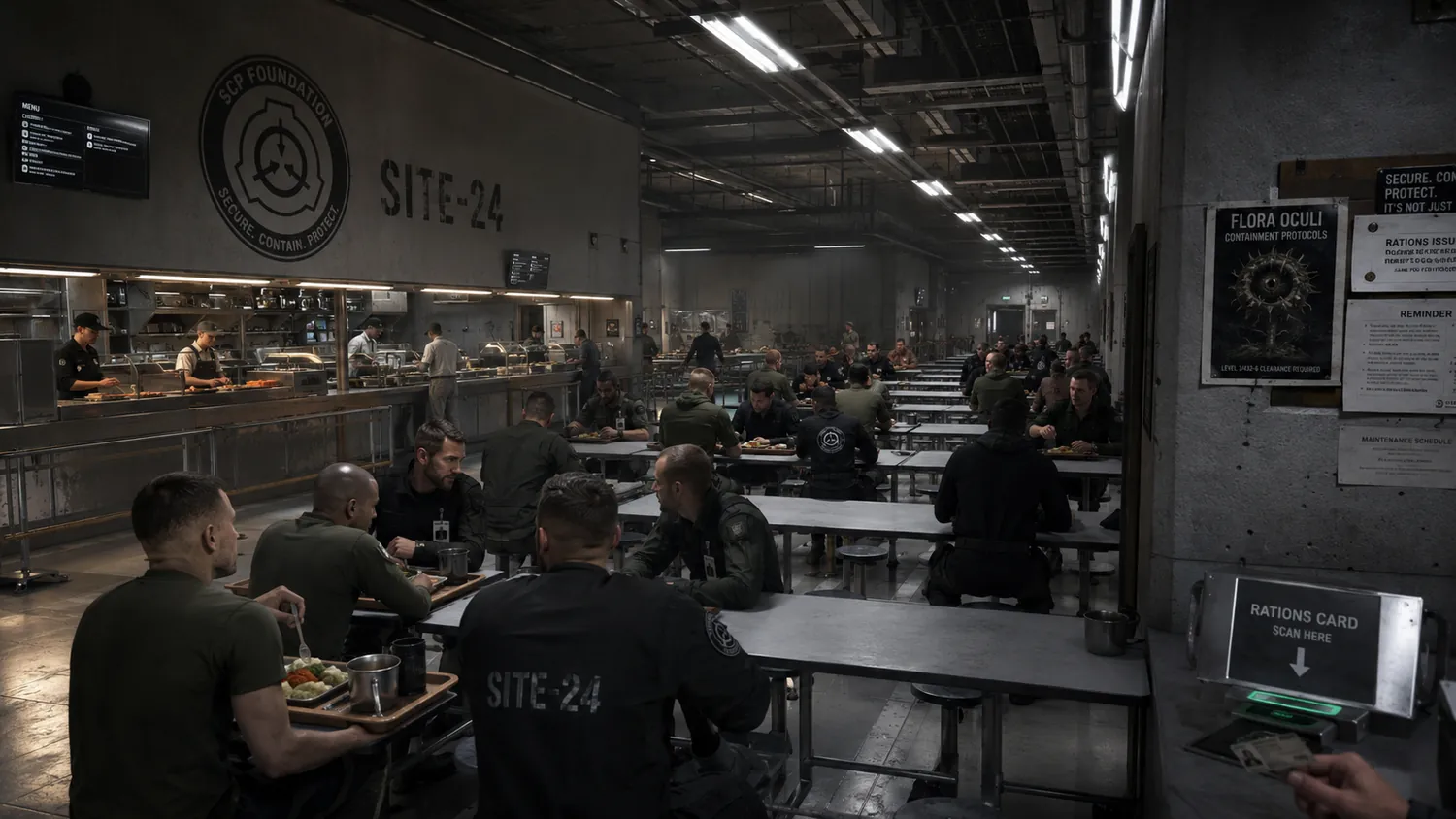
SCPs enter play uncontained; members roleplay containment, run the research and file after-action reports into a living operational database.
Foundation Handler System
Trusted members claim each new sign-up within 24h, run their first scene, and check in at day 3 and 30. Success = still active after 30 days.
Staff organisation & recruiting
Full staff structure with defined roles and departments, plus recruitment posts, graphics and application flows to fill them.
Tiered ruleset & enforcement
Four severity tiers, escalation, a discretion clause and appeals. Age policy and safety built in from day one.
Moderation & server security
Mod-log systems, anti-nuke and anti-raid protection, verification, and the server setup that keeps the place safe.
Event design & GM playbook
A step-by-step event process and detailed live briefings that keep large group events readable.
The Handler System, stage by stage.
Sign-up
A new member arrives. From this moment the clock is running: the target is a real human interaction inside twenty-four hours, not a welcome message into a void.
Handler claim
A trusted member claims the new sign-up within 24h. Ownership is explicit — one named person is responsible for that arrival rather than "the staff team" in general.
First scene
The handler runs the member's first scene in-world. The first thing a new member does is participate, not read rules — the culture is transmitted by playing it.
Day 3 check-in
A deliberate second touch while the member is still deciding whether this place is for them. Early friction gets caught here instead of turning into a silent exit.
Day 30 check-in
The final scheduled contact of the onboarding path, and the point where the system is measured.
Success condition
Still active after thirty days. Not "joined", not "said hello" — the system is only counted as working when the member is still there a month later.